

Phoenix Park's Best Loops for Beginners
Three flat, easy-to-follow routes that take between 20 and 45 minutes. No steep hills or confusing turns.
Read Guide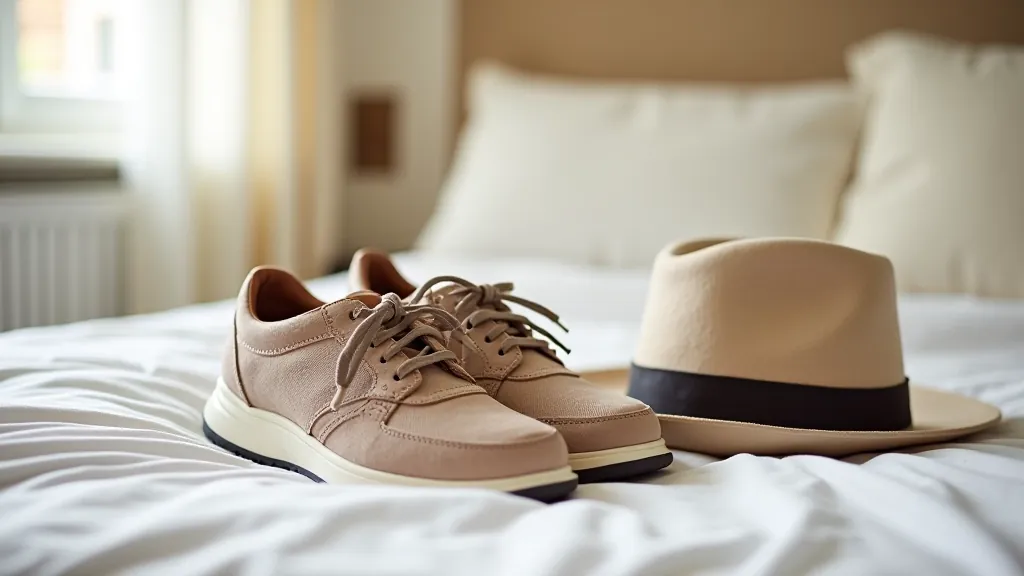
Practical advice on footwear, layers, and essentials. You don't need fancy gear — just comfort and sense.

Getting dressed for a walk isn't complicated. You're not summiting a mountain or training for a marathon — you're getting outside for some fresh air and movement. Thing is, there's a difference between "I grabbed whatever was in my wardrobe" and "I actually thought about this." The right gear makes the walk enjoyable instead of uncomfortable.
In Dublin, the weather changes fast. You might start in sunshine and find yourself walking through drizzle twenty minutes later. That's not a disaster if you're prepared. We'll walk through what actually matters — shoes, layers, and a few items that make the whole experience better.
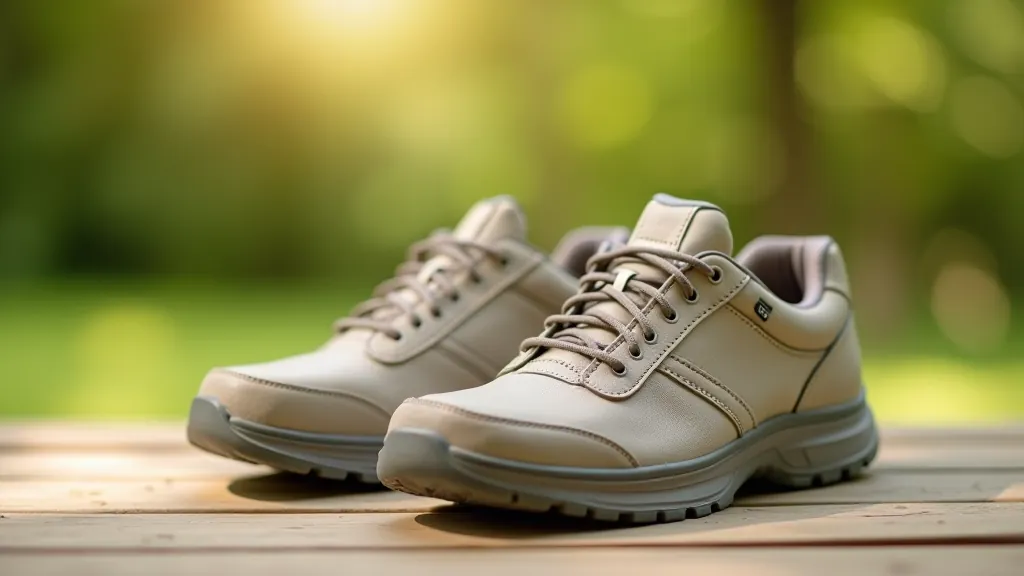
Your feet are doing the work. Invest in shoes that actually support them. You don't need specialist hiking boots — most people are fine with sturdy walking shoes or trainers with good arch support. Look for shoes with proper cushioning in the heel and a flexible sole.
Test them before you commit to a full walk. Wear them around the house for a few days. Walk to the shops. If they're comfortable for that, they'll work for Phoenix Park. New shoes can cause blisters, and there's nothing worse than being two kilometres into a route and realizing your feet are in trouble.
Quick tip: Worn socks matter more than you'd think. Wool or synthetic blend socks keep moisture away from your skin better than cotton. They're warmer when wet and less likely to cause blisters.
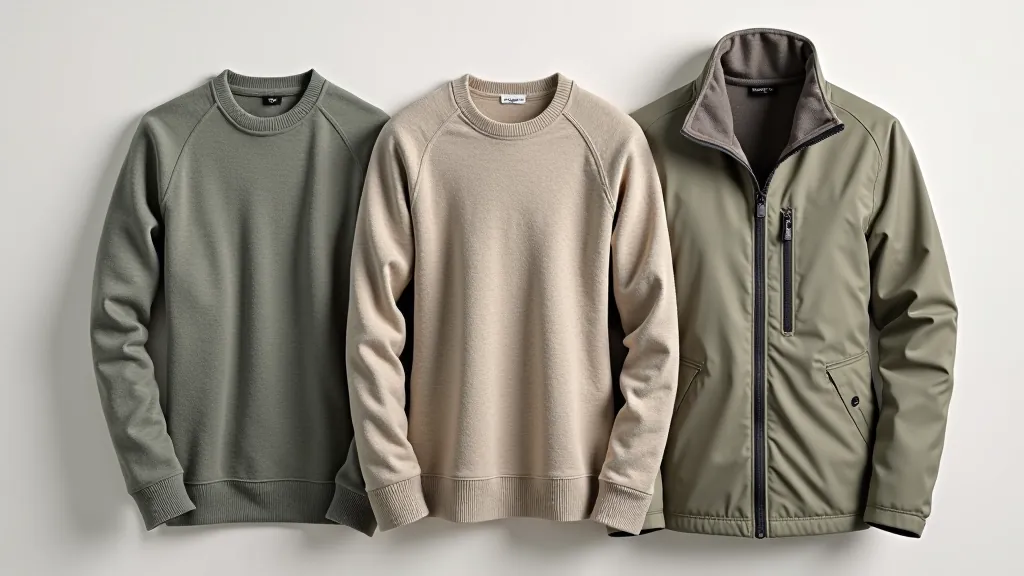
Forget the idea that you need one heavy coat. Three thinner layers beat one thick one every time. Start with a moisture-wicking base layer — this keeps sweat away from your skin. Add a mid-layer like a fleece or cardigan for insulation. Top it with a windproof jacket.
Here's why this works: you can remove layers as you warm up. Halfway through your walk and getting too hot? Take off the jacket and tie it around your waist. Weather turns chilly? The layers are still there. You've got flexibility instead of being stuck in the wrong temperature.
In May, most days you'll probably wear just the base layer and a light jacket. But pack that mid-layer anyway — Dublin's mornings can be cool even in late spring.
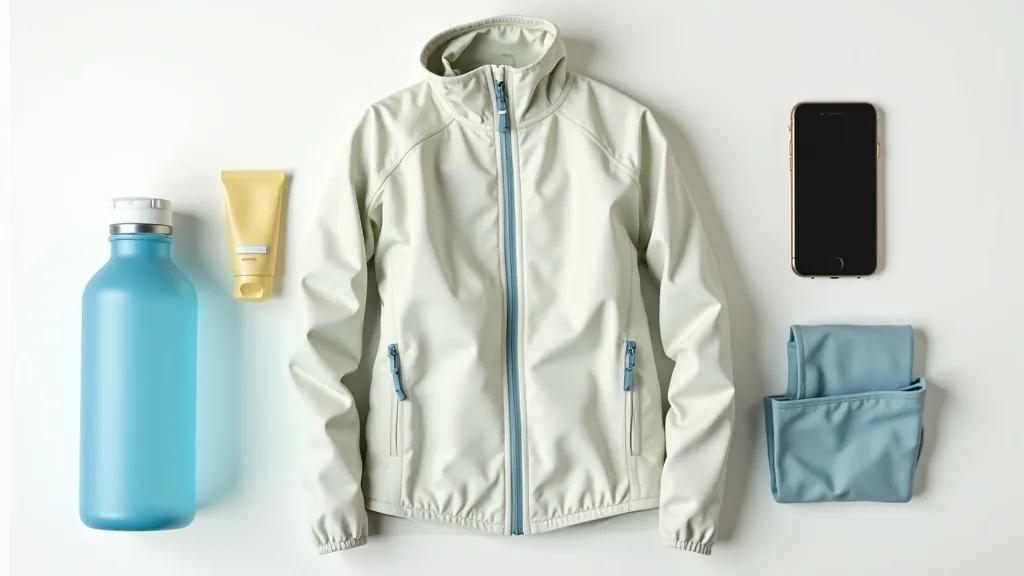
You don't need much. A small backpack or crossbody bag is enough. Most people overpacks and ends up carrying things they never use.
A 500ml bottle is fine for a 45-minute walk. Stays hydrated. It's not negotiable.
Even if the forecast looks clear. This is Dublin. Weather changes. A compact packable jacket takes almost no space.
Your face and the back of your neck need protection even on cloudy days. SPF 30 minimum.
Wipe your face, dry your hands. Surprisingly useful.
For emergencies and maybe a photo if you spot something interesting. Keep it secure.

May in Dublin is mild. Average temperature hovers around 15°C, but it can swing between 10°C and 18°C depending on the day. That's comfortable walking weather if you dress right.
Start with long trousers or leggings. They protect your legs from wind and sun. Add a base layer if it's cool, a mid-layer if you run cold, and always carry that jacket. If the sun's out, a hat helps — it keeps the glare off and protects your scalp.
Real-world example: A typical May morning in Phoenix Park, you'd start with base layer, fleece, and jacket. By mid-walk, jacket comes off. By the end, you might be down to just the base layer. You've adapted to the weather instead of being uncomfortable the whole time.
A few small items elevate the whole experience. You won't regret carrying them.
Hat or visor: Keeps sun out of your eyes and off your face. Reduces glare. Makes you more visible to others.
Gloves: Not for May usually, but if you're walking early morning, they're nice to have. Thin ones pack into a pocket.
A small rucksack: Better than carrying things in your hands. Distributes weight evenly. Look for one with padded straps and a waist belt — takes pressure off your shoulders.
Comfortable socks: We mentioned this, but it's worth repeating. Good socks make everything better.
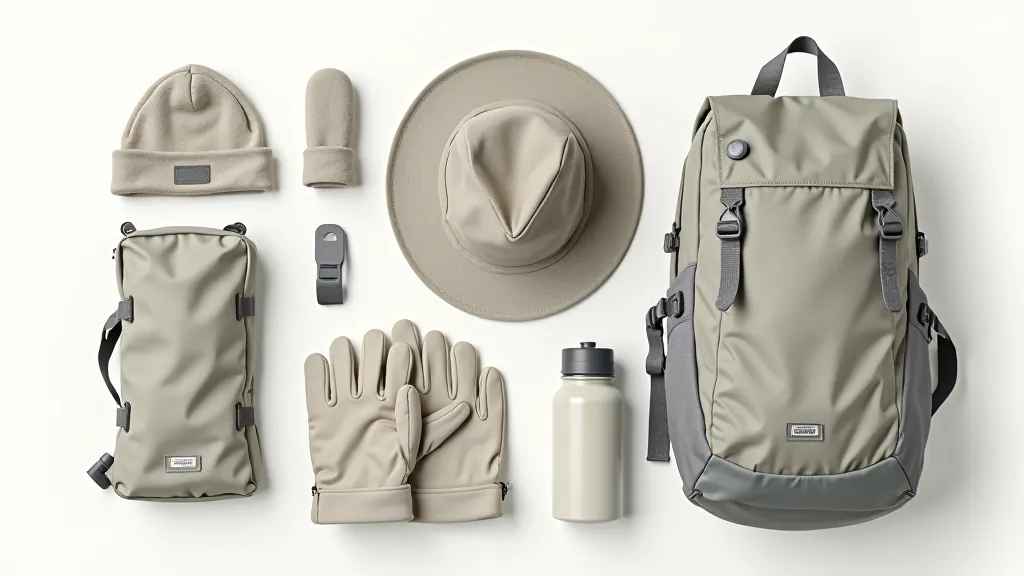
You don't need expensive branded gear or specialist equipment. What you need is comfort and practicality. Good shoes, appropriate layers, and a few essentials. That's it. Get those things right and you'll actually enjoy your walk instead of being distracted by discomfort.
The best gear is the gear you'll actually wear. If you're comfortable, you'll walk more. And that's the whole point — getting outside regularly, moving your body, breathing fresh air. Everything else is just support for that.
Start with what you already have. Most of us own perfectly good walking clothes already. Wear them, see how they feel, and only then consider upgrading specific items. You'll learn what works for you faster than any guide can tell you.
This guide offers general information about appropriate clothing and gear for walking. Everyone's comfort needs are different based on individual health conditions, mobility considerations, and personal preferences. If you have specific health concerns or mobility limitations, consult with your doctor or healthcare provider before starting any new walking routine. Weather conditions in Dublin can change rapidly — always check the forecast and adjust your plans accordingly.