Walking Groups and Social Connections
How to find walking partners and local groups. Walking's better when you've got company and good conversation.
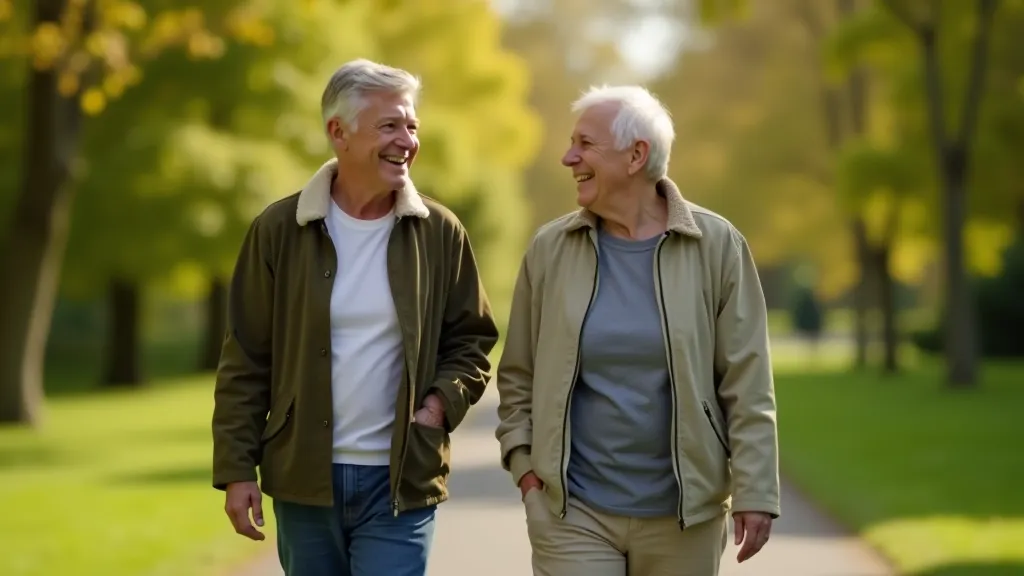

Walking alone is fine. But you'll quickly discover that the best part isn't the exercise — it's the people you meet. Whether you're looking to make new friends, stay active, or simply enjoy better conversation during your morning stroll, joining a walking group changes everything. Here's how to find your people and why it matters more than you'd think.
Where to Find Walking Groups in Dublin
Dublin's got more walking groups than you'd expect. The Phoenix Park Friends Walking Group meets three times a week — Tuesday and Thursday mornings at 9 AM, Saturday at 10 AM. They've been running since 2018 and have over 150 regular members. You'll find them near the main gates.
But there's more. Check your local community centre — most offer organized walks for older adults. Libraries often have bulletin boards with group information. And honestly, word-of-mouth works best. Strike up a conversation with someone at the park and you'll likely hear about several groups you didn't know existed.
Quick tip: The Irish Senior Citizens Parliament website has a comprehensive list of groups by county. You can search by your area and see what's active right now.

What to Expect from Your First Walk
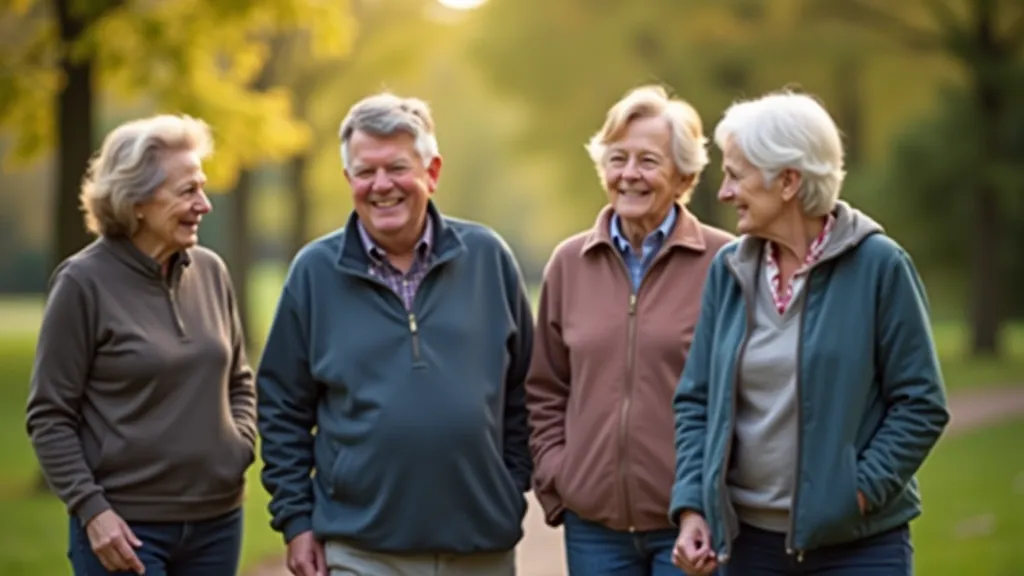
Nervous about showing up? Don't be. Most groups are welcoming to newcomers — that's literally why they exist. You'll arrive, introduce yourself, and someone will explain the route. Groups typically stick together, keep a steady pace, and take a break halfway through.
The pace varies by group. Some do 2-3 kilometers in an hour. Others cover 4-5. You don't need to be fit or experienced. What you need is comfortable shoes and willingness to chat. Groups are small enough that you'll actually get to know people, not just walk in a crowd.
Many groups stop for coffee or tea afterward. This is where the real friendships start. You're sitting down, properly talking, not just nodding while walking uphill.
Why Walking Groups Matter More Than You Think
Social Connection
Regular walking groups build genuine friendships. You're seeing the same people weekly, sharing stories, supporting each other. This isn't superficial — it's real community.
Consistency
Walking alone, it's easy to skip. With a group expecting you? You'll show up. That accountability keeps you active week after week, which means real fitness gains over time.
Learning
You'll discover new routes, learn park history, find out about local events. People in groups share knowledge — where the best benches are, which paths are safest, which café has the best coffee.
Safety
Walking with others means you're never alone. If something goes wrong, there's someone there. Groups often have first aid trained members and established communication systems.
Routine
Structure matters. Knowing you've got a walk Tuesday and Thursday morning gives your week shape. It's something to look forward to, something that matters.
Mental Health
Exercise helps mood. So does social connection. Walking groups deliver both at once. You're getting outside, moving your body, and genuinely enjoying time with people. That's powerful.
Making the Most of Your Walking Group
Start the Right Way
Arrive 10 minutes early for your first walk. Introduce yourself to whoever's organizing. Ask questions — where are we going, how long does it take, what's the pace? Nobody's expecting you to know anything. Admit if you're nervous. People respect honesty.
Bring water. Seriously. A small bottle. You don't need much, but you'll regret not having it halfway through. Wear layers. Dublin weather changes without warning, and you'll want to adjust as you warm up from walking.
Be Someone People Want to Walk With
Show up consistently. If you can make Tuesday mornings, make them every Tuesday. Don't go twice and disappear. People notice, and groups build on regularity.
Be pleasant. You don't need to be loud or the life of the party. Just friendly. Ask people about themselves. Remember their names. Next week, ask how their grandchild's school went or if their knee's better. This is how real friendships form.
Practical Tips for Your First Few Weeks
Choose the Right Group
Not all groups are the same. Some are fast-paced. Others are leisurely. Visit two or three different groups before committing. You're looking for people you actually enjoy and a pace that feels comfortable.
Get the Basics Right
Good shoes matter. You don't need expensive hiking boots. Just something supportive that doesn't give you blisters. Test them on a solo walk first. Bring a small backpack for water and keys. Wear clothes you can move in.
Exchange Contact Details
Get the group's contact info and share yours. Some groups use WhatsApp to share updates or plan extra walks. This is how you stay in the loop and build connections outside official walk times.
Commit for Four Weeks
Give it a month. Your first walk might feel awkward. By week four, you'll recognize people, know the route, and feel genuinely part of something. Friendships need time.
Walking groups aren't just about exercise. They're about belonging. They're about being part of a community where people show up for each other, share stories, and genuinely care how you're doing. You'll get fitter. You'll walk further than you would alone. But mostly, you'll make friends — the kind that become part of your weekly rhythm, people you actually look forward to seeing.
Dublin's got the groups. The routes are there. All you need to do is show up. Pick a Tuesday morning or Saturday at Phoenix Park. Introduce yourself. And discover that walking's infinitely better when you're not doing it alone.
Important Information
This article is informational only and based on general knowledge about walking groups and social activities. Individual group details, schedules, and contact information may change. Always verify current group information directly with organizers before attending. If you have any health concerns before starting a new walking routine, it's wise to speak with your healthcare provider first. Group experiences vary — what works for one person may differ for another.
Related Articles